Leak Detection in Los Angeles, CA
Your water bill jumped, and one spot in the hallway floor feels warm under bare feet. Nothing is dripping anywhere you can see. This site connects you by phone with an independent local provider who does leak detection in Los Angeles County.
Watching the LADWP meter before anyone cuts the slab
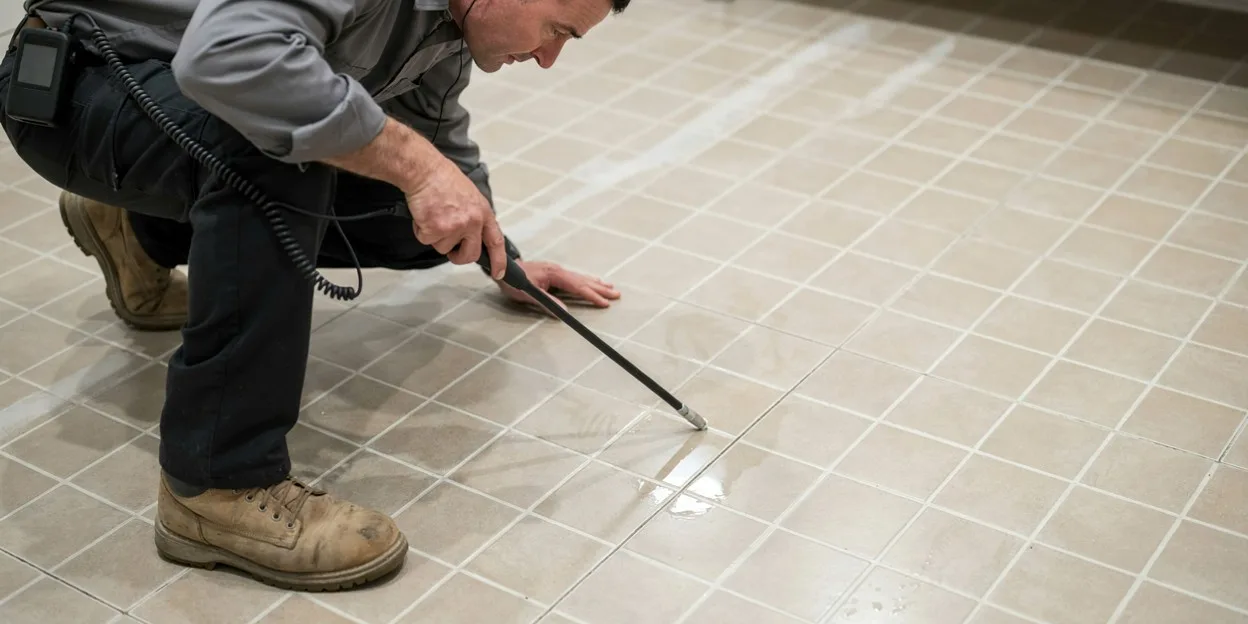
First they confirm there is a leak. With every fixture off, the crew watches the water meter. If the small flow dial keeps turning, water is going somewhere. Then they isolate. Closing the house valve tells them whether the leak is on the house side or the yard side of the line.
To narrow it down, they use listening gear on the slab, pressure tests on the hot and cold lines, and thermal imaging to spot a warm stripe on the floor where a hot line is leaking. The goal is to mark the spot before anyone cuts concrete.
Check the meter dial before you check anything else
Turn off every faucet and appliance that uses water, then go look at the meter. In most LA neighborhoods the meter is in a box at the sidewalk. If the small dial is moving, write down the reading and check again in an hour.
If a floor is hot to the touch or you hear water running when nothing is on, turn the water heater to its lowest setting for now. A slab leak on the hot side wastes gas as well as water. Do not start opening walls on your own.
Repair the slab, reroute overhead, or repipe
Catch a slab leak in its first weeks and the repair tends to stay small. With the spot marked on the concrete, the crew picks from three paths. Open the slab at that point and repair the pipe. Abandon the buried line and reroute a new one overhead through the attic or walls. Or repipe the house. Ask the provider on the call which of the three makes sense for a house of your age and layout.
Flooring over the leak is the main casualty. Tile gets cut, and carpet or wood over a wet slab often has to come up. After the plumber closes the pipe, any wall or cabinet base that sat next to a long-running leak is likely a structural drying job. A puddle spreading from under the tank in the garage is a different page: water heater leak cleanup.
Seventy-year-old copper under Valley and South Bay slabs
Thousands of homes in the San Fernando Valley, the South Bay, Lakewood, and the Gateway cities were built in the late 1940s and 1950s on slab-on-grade foundations, with copper water lines run under the concrete. That copper is now about 70 years old. Hot-water lines fail first, because heat, water chemistry, and movement wear the pipe from the inside.
The classic signs are a warm spot on the floor, a water bill that climbs with no change in habits, a mildew smell from the floor, and the sound of running water at night. In the City of Los Angeles your water comes through LADWP, and your bill history is the easiest place to see the jump.
Many policies cover the sudden damage a leak causes but not the pipe repair itself. A leak that ran for months may be treated as gradual. Ask the crew for photos, the meter readings, and a written note of where the leak was found for your adjuster. Cutting a slab or rerouting plumbing in the City of LA usually calls for a plumbing permit from LADBS. Ask the repair plumber who pulls it.
When you call about a warm floor or a high water bill
Have the address, your last two water bills, and any notes about where the floor is warm or where you hear water. Say whether the home is on a slab or has a crawl space, and whether you have already shut off the main. Call (213) 513-2640.