Water Damage Restoration in Burbank, CA
Burbank has a neighborhood where horses still live in backyards. The Rancho, 315 acres along the Los Angeles River on the city's south edge, has allowed horse keeping since 1950, and its lots are flat, low, and close to the channel. Across town, Magnolia Park is full of 1940s storybook houses with original plaster, cast-iron drains, and water heaters tucked in closets. Up in the Hillside District, homes in the Verdugo foothills above Sunset Canyon shed storm runoff down driveways and into the house below.
Three kinds of ground, three kinds of leak. The flat Rancho lots hold water after a heavy storm. The Magnolia Park houses leak from old pipe and old roofs. The hillside homes take water at the uphill wall.
When a Burbank homeowner calls this site, the call goes to an independent restoration provider who serves the city. That provider inspects, explains, and does the work.
The Burbank version of water damage
A water heater that lets go in a hall closet soaks the carpet, the baseboard, and the drywall on both sides before anyone hears it, which is why water heater leak cleanup is one of the more common calls from older Burbank blocks. A garage or a low room that filled during a storm needs water extraction before drying can start. And a second-story bath over a living room in a 1950s two-story is a textbook case for ceiling water damage repair.
Burbank's own utility and its permit counter
Burbank is one of the few cities in the county that runs both electric and water service itself. Burbank Water and Power answers after-hours emergencies at (818) 238-3778, including a main break or a meter valve that will not close. Report an outage through the Our Burbank 311 app if the phone lines are busy during a storm.
Rebuild permits are handled by the Building and Safety Division at 150 North Third Street, with most applications now submitted online. Drying and cleanup need no permit; replacing a section of plumbing or a run of wiring does. The Rancho has its own specific plan with rules on what can be built where, so a rebuild there should be checked against it early.
Call (213) 513-2640 and tell us what you see. We put you through to a local water damage provider serving Burbank.
Services Available in Burbank
Water Extraction
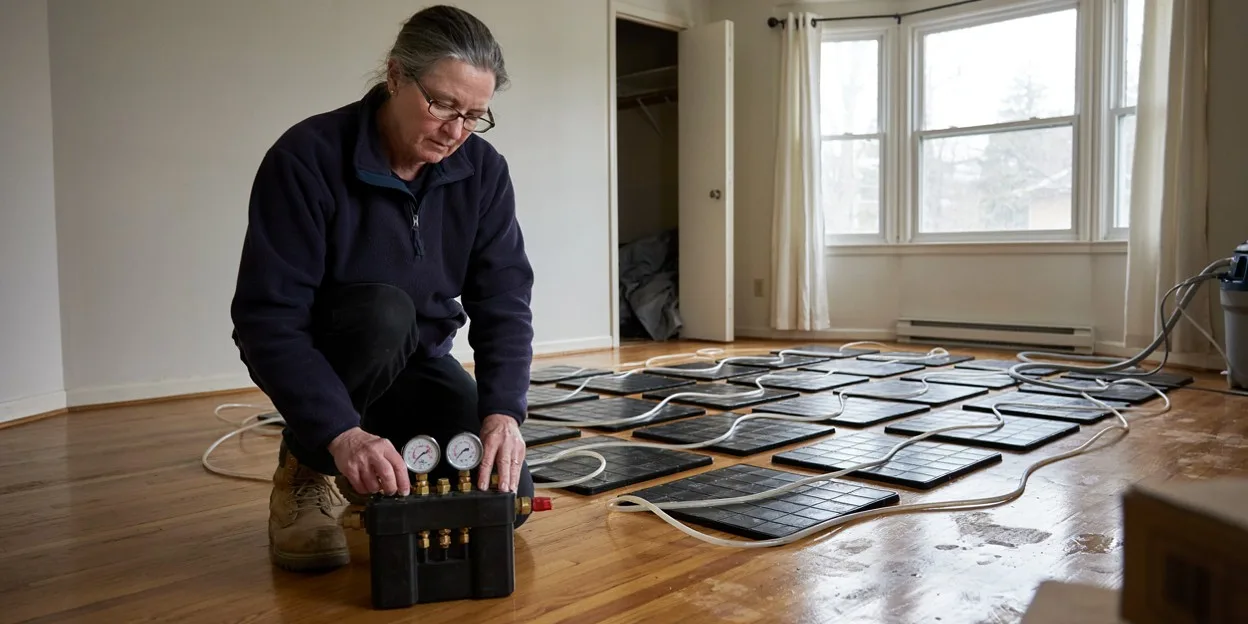
Standing water pumped and vacuumed out of the home, then the first moisture readings to see where it traveled.
Structural Drying
Air movers and dehumidifiers placed by the readings, with drying checks until walls, subfloor, and framing reach their target.
Leak Detection
Finding a hidden slab, wall, or supply-line leak before anyone opens a floor or a wall.
Sewage Cleanup
Sewer backup and black-water removal with protective gear, contained disposal, and disinfection of exposed surfaces.
Ceiling Water Damage Repair
A stained or sagging ceiling traced to its source, dried above and below, and rebuilt.
Flood Cleanup
Mud, silt, and contaminated water removed after storm runoff, hillside flow, or a river channel reaches a home.
Wildfire Smoke Damage Cleanup
Smoke film, ash, and odor cleared from homes that never burned but sat downwind.
Water Heater Leak Cleanup
A failed tank in a garage, closet, or attic and the flooring, drywall, and rooms it reached.