Water Damage Restoration in Beverly Hills, CA
Beverly Hills splits in two at Sunset Boulevard. Below it sits the Flats, a level street grid of older homes with mature trees and plumbing that has been in the ground a long time. Above it, Trousdale Estates spreads across a hillside that Paul Trousdale began dividing into lots in the mid-1950s, and those mid-century houses sit on cut slopes where winter rain has somewhere to go, usually downhill toward a house.
Water Damage Repair Los Angeles connects homeowners in Beverly Hills with an independent local restoration provider. You describe the problem by phone, and the provider who calls back decides what to look at first.
Common Beverly Hills water problems
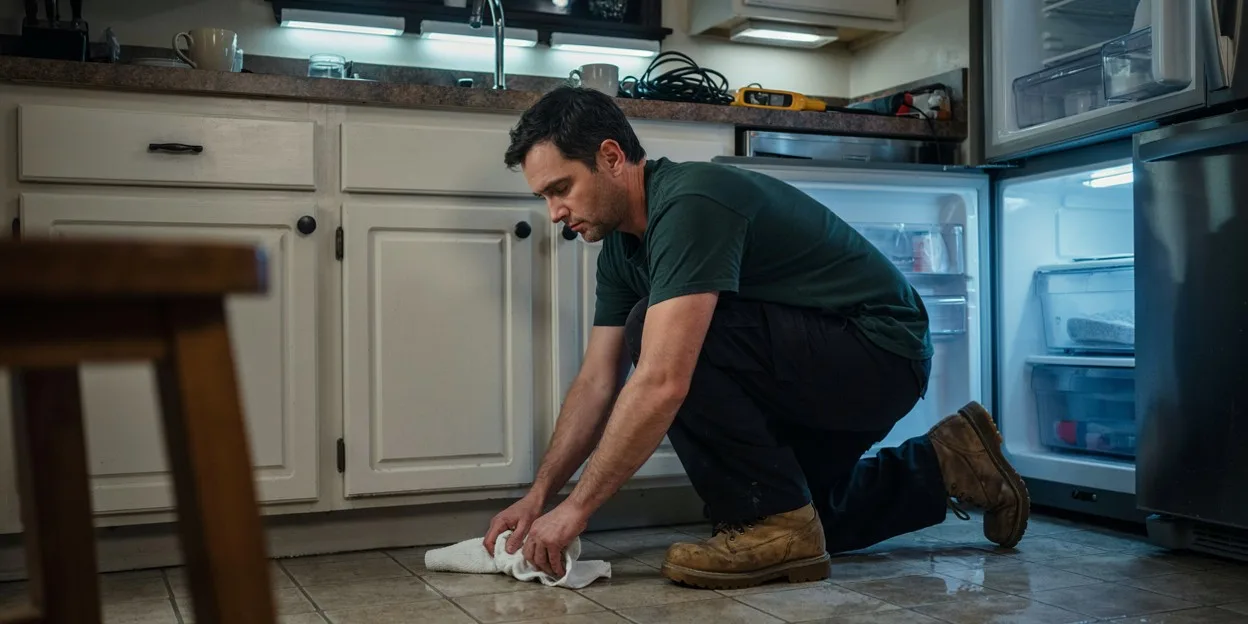
A slow leak under a Flats-area kitchen can run for weeks before the floor gives it away. Leak detection narrows down where the water is coming from so a plumber opens one spot instead of five. Upstairs baths in larger homes send water down through joists and plaster, which is where ceiling water damage repair comes in. Hillside homes above Sunset often need structural drying after runoff finds a way into a lower level.
Take a few photos before anything gets moved. A simple record of where the water was helps the provider, and it helps later if a claim is filed.
Shutting off water and getting permits
Beverly Hills runs its own water system, and has since 1914. The City of Beverly Hills Public Works Utilities Division handles water service, with its customer service office at 345 Foothill Road. If you cannot find or turn the shutoff valve at the house, that is the department to call.
Once the drying is done, wall, floor, or roof rebuilds go through the Building and Safety Division in Community Development. Trousdale and the other hillside areas have extra rules that do not apply on the flat streets, so a permit question there deserves a call before work starts.
Call (213) 513-2640 and tell us what you see. We put you through to a local water damage provider serving Beverly Hills.
Services Available in Beverly Hills
Water Extraction
Standing water pumped and vacuumed out of the home, then the first moisture readings to see where it traveled.
Structural Drying
Air movers and dehumidifiers placed by the readings, with drying checks until walls, subfloor, and framing reach their target.
Leak Detection
Finding a hidden slab, wall, or supply-line leak before anyone opens a floor or a wall.
Sewage Cleanup
Sewer backup and black-water removal with protective gear, contained disposal, and disinfection of exposed surfaces.
Ceiling Water Damage Repair
A stained or sagging ceiling traced to its source, dried above and below, and rebuilt.
Flood Cleanup
Mud, silt, and contaminated water removed after storm runoff, hillside flow, or a river channel reaches a home.
Wildfire Smoke Damage Cleanup
Smoke film, ash, and odor cleared from homes that never burned but sat downwind.
Water Heater Leak Cleanup
A failed tank in a garage, closet, or attic and the flooring, drywall, and rooms it reached.