Water Damage Restoration in North Hollywood, CA
North Hollywood is changing shape. Condo and apartment towers now stand among the one-story bungalows and small courtyard complexes that filled the NoHo Arts District for decades, so a single leak can involve two or three households at once. On the east side of the neighborhood, the Tujunga Wash, channelized by the Army Corps of Engineers in the 1950s, carries Valley runoff south toward the Los Angeles River at Studio City.
This site connects homeowners and condo owners in North Hollywood with an independent local water damage provider. The provider takes it from there.
Multi-unit water damage in NoHo
A supply line that fails in a unit upstairs sends water through the floor and into the ceiling below, and ceiling water damage repair deals with the drywall, insulation, and framing on the receiving end. Standing water across a hallway or living room needs water extraction before drying equipment can do its job. When the water came from a backed-up drain or a toilet overflow, it is treated as sewage cleanup, and porous materials it touched are handled differently than after a clean leak.
In a condo, write down when the water appeared, where it seems to have started, and what the building manager or the upstairs unit said. That record matters later.
Shutting off water and rebuilding in North Hollywood
North Hollywood is inside the City of Los Angeles, so water service comes from the Los Angeles Department of Water and Power. LADWP handles the meter and everything on the street side of it. Inside a house the main valve is often near the front hose bib; in a condo, ask management where the unit or riser shutoffs are.
Permits for drywall, plumbing, or electrical rebuilds come from the Los Angeles Department of Building and Safety. In a multi-unit building, the association or owner may need to be on the permit, so ask before work starts.
Call (213) 513-2640 and tell us what you see. We put you through to a local water damage provider serving North Hollywood.
Services Available in North Hollywood
Water Extraction
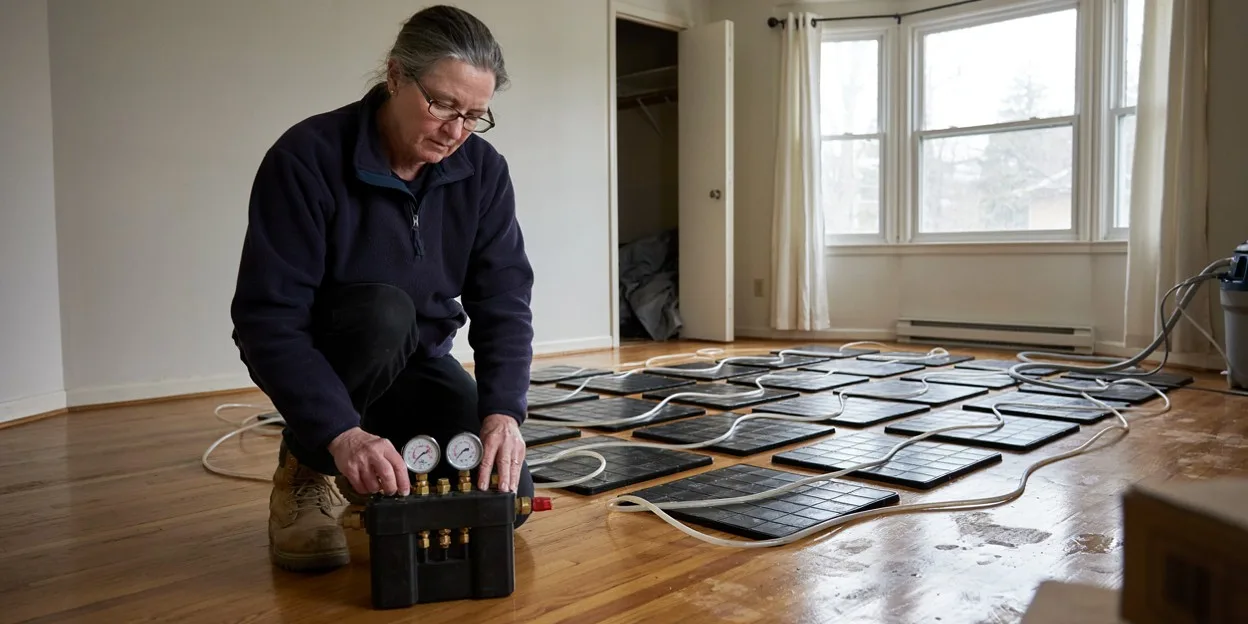
Standing water pumped and vacuumed out of the home, then the first moisture readings to see where it traveled.
Structural Drying
Air movers and dehumidifiers placed by the readings, with drying checks until walls, subfloor, and framing reach their target.
Leak Detection
Finding a hidden slab, wall, or supply-line leak before anyone opens a floor or a wall.
Sewage Cleanup
Sewer backup and black-water removal with protective gear, contained disposal, and disinfection of exposed surfaces.
Ceiling Water Damage Repair
A stained or sagging ceiling traced to its source, dried above and below, and rebuilt.
Flood Cleanup
Mud, silt, and contaminated water removed after storm runoff, hillside flow, or a river channel reaches a home.
Wildfire Smoke Damage Cleanup
Smoke film, ash, and odor cleared from homes that never burned but sat downwind.
Water Heater Leak Cleanup
A failed tank in a garage, closet, or attic and the flooring, drywall, and rooms it reached.